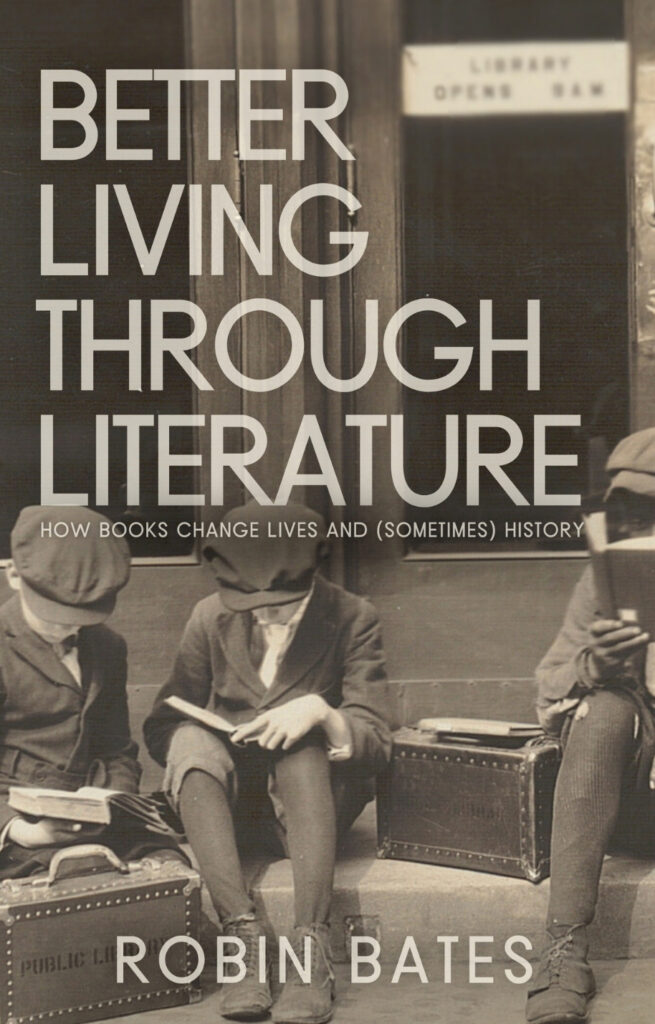
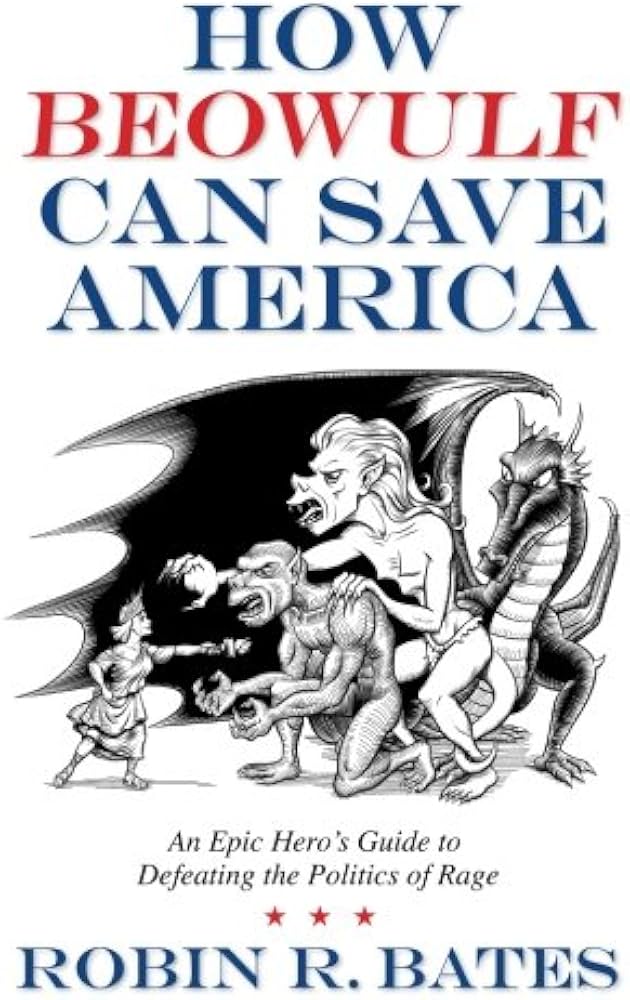
An Israeli war analyst says that the Iran war planners are blind to what could go wrong because they haven’t read their literature and history.
My memoir continued, this time looking at my relationship with Julia during our grad school years in Atlanta.
In which I continue to answer questions, directed to Barbara Kingsolver, about my reading experiences. Then I come up with some new questions.
Posted in Uncategorized | Also tagged "Tortoise Shout", Barbara Kingsolver, Catcher in the Rye, D. H. Lawrence, Flaubert’s Parrot, Franny and Zooey, George Eliot, Haruki Murakami, J. D. Salinger, Julian Barnes, Lady Chatterley's Lover, Man Who Died, Middlemarch, My Antonia, War and Peace, Willa Cather, Women in Love | Gawande’s “Being Mortal,” which looks at how we die, makes good use of Tolstoy’s “The Death of Ivan Ilyich.”
In which I explore a Lit Hub article arguing that authors and fascists have things in common, which explains why certain authors have turned to the dark side.
Posted in Uncategorized | Also tagged Ed Simon, Eduard Limonov, Emily Bronte, Fascism, Gabriele D'Annunzio, Merchant of Venice, Tempoe of the Golden Pavilion, War and Peace, William Shakespeare, Wuthering Heights, Yukio Mishima | Former diplomat Fletcher Burton shows Tolstoy’s brilliance in depicting diplomats and diplomacy in War in Peace.
In which one of the 1980 Iranian hostages explains why “War and Peace” meant so much to him at the time.
Posted in Uncategorized | Also tagged Alexander Solzhenitsyn, Day in the Life of Ivan Denisovich, Emma, George Eliot, Homer, Iliad, Iranian hostage crisis, Jane Austen, Life and Fate, Middlemarch, Pride and Prejudice, Vasily Grossman, War and Peace | A New Yorker article argues that economists should read Tolstoy, who understood that we can’t strip morality and politics out of the discipline.
Libraries as described by poet Paul Engle are sometimes repositories of dynamite, sometimes of comfort.
Posted in Uncategorized | Also tagged "Library", Anna Karenina, C. S. Lewis, Grand Canyon, Julius Caesar, libraries, Lion the Witch and the Wardrobe, Lolita, Louisa May Alcott, Merchant of Venice, Paul Hamilton Engle, Tempest, Vladimir Nabokov, William Shakespeare |