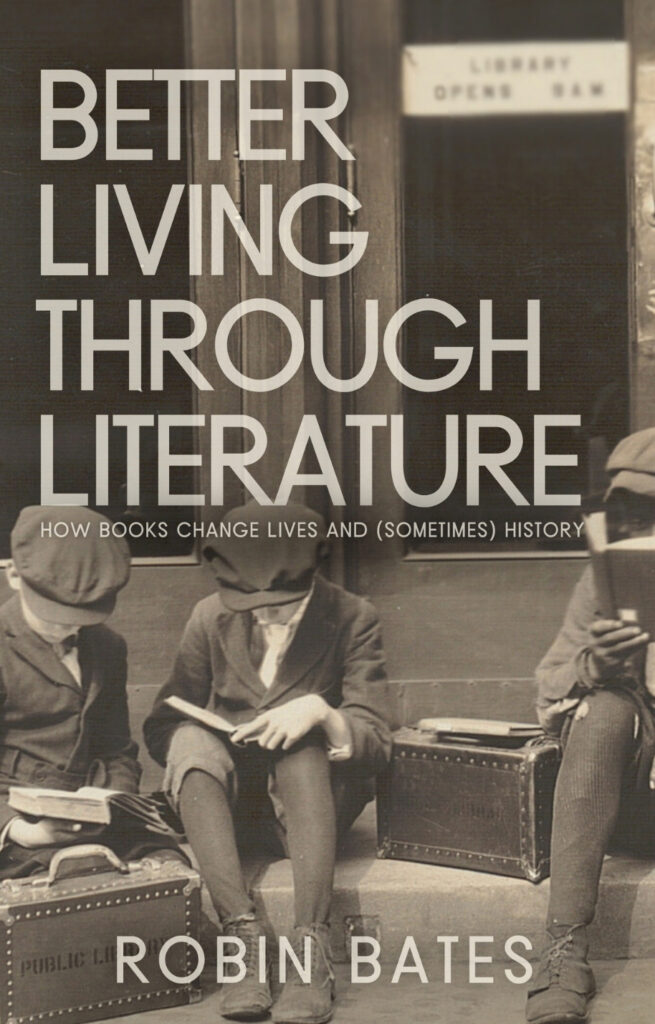
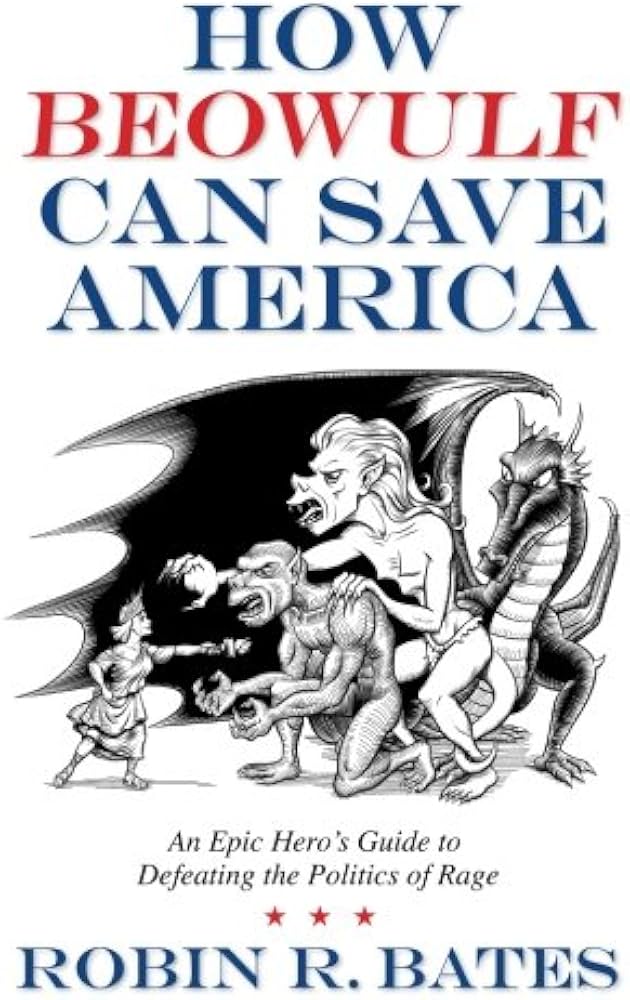
Parents pressure schools to ban books because they want to protect their children. Their children want the books because they have a different set of needs.
Posted in Blume (Judy), Chbosky (Stephen), Rowling (J. K.), Salinger (J. D.) | Also tagged adolescence, Are You There God It's Me Margaret, Book banning, Catcher in the Rye, Education, Harry Potter, J. D. Salinger, J. K. Rowling, Judy Blume, Perks of Being a Wall Flower, Stephen Chbotsky |
Goethe’s “Sorrows of Young Werther” created a sensation in 1774, with a young cult following and older attackers.
Holly Blumner had a vision. A member of the St. Mary’s theater department, Holly wanted to stage Susan Zeder’s Mother Hicks, a adolescent girl’s identity quest, and then take it into area schools. This post is the story about how rightwing groups have so terrified our schools that the vision died.
Writing about interracial friendships in yesterday’s post brings to mind the most famous interracial friendship in literature, that between Huck and Jim. The novel is once again in the news (is it ever out of it?) with a new edition of the novel where the n-word is changed to “slave.” The edition is the brainchild [...]
In Ben Click’s post yesterday on the banning history of Huckleberry Finn, he tells the story of a man who remembers hearing the book read to him when he was a child in a concentration camp. Horst Kruse never forgot that reading experience and would go on to become a Twain scholar. Ben talks about [...]
I have always been fascinated by the many ways that literature influences our lives, but, as a literary scholar, I also know that influence is a very hard thing to prove. That’s why I find censorship to be interesting. When people censor a book, they do so because they assume that it can have an [...]
Read, reflect, act. That is my vision for how we should respond to literature. Therefore I was pleased to see a version of this advice appearing in Ray Bradbury’s Fahrenheit 451. I’m reading Bradbury’s dystopia because I will be leading a discussion of it tom0rrow as part of the National Endowment for the Arts’ Big [...]
Illustration from Where the Wild Things Are I see that Maurice Sendak’s Where the Wild Things Are (1963) has been turned into a film, which has led Slate columnist Jack Shafer to revisit a controversy about the book. Apparently Sendak still can’t let go of a critique by psychologist Bruno Bettelheim. I was surprised to learn [...]
Samuel Johnson If we need proof that adolescence has always been a difficult age, we can look at those 18th century moralists that were panicked about young people reading novels. Of course if you’re young (to build off of a comment that Barbara makes in response to Friday’s post), part of the fun of reading [...]
As I look back over this past week of entries, what conclusions can I draw? First, that literature can serve the cause of race relations in this country. The friendship between Huck and Jim spurred my dreams of black-white friendship when I was a child being raised in segregated schools in the south, and it [...]
I think it was 13 years ago or so when I read in our county newspaper that a high school student was objecting to a book he had been assigned to read in an Advanced Placement English class. The book was Toni’s Morrison’s Pulitzer-winning Song of Solomon, a book on the Advanced Placement list, and [...]
How much impact can images from a book like Huckleberry Finn have upon a reader? I’ve written about the importance of Huck’s courageous stand upon me as a young child, so I would answer, “ a tremendous impact.” But could there also be a negative impact? Could the docile and comic Jim undermine the self [...]
Yesterday I mentioned that Huckleberry Finn has been banned in some schools, perhaps because of Huck’s liberal use of the “n” word. Now Twain, of course, doesn’t use that language because he himself is racist but because he wants to capture Huck’s “white trash” ignorance, which Huck then magnificently transcends. But the argument has gone [...]