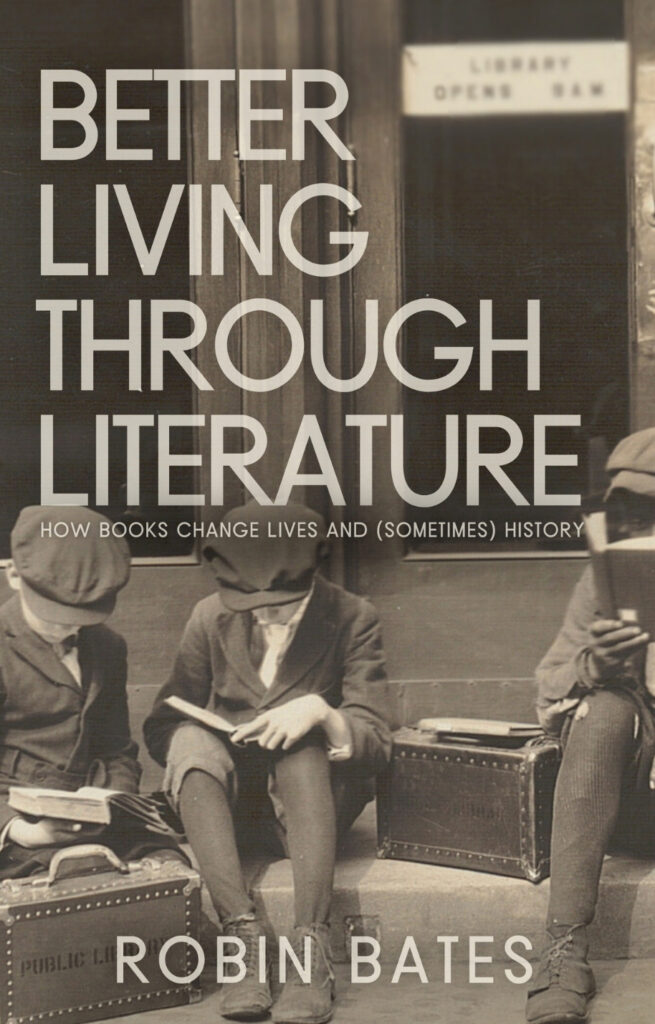
The predominant readers of 18th century novels were young readers trying to find answers to the questions facing them.
The early novel appealed to the young, the ambitious, the mobile, and the urban.
Literature is strewn with hot hells and cold hells. A “New Yorker” article lists a number of them.
Meeting up with an old high school English teacher brought memories flooding back.
Yakov Azriel’s poem on Moses and the burning bush contrasts scorching fire with nourishing faith.
Narrative has become more important than ever in political campaigns.
Political campaigns have come to be seen as competing narratives, providing those who understand fiction with special insight.
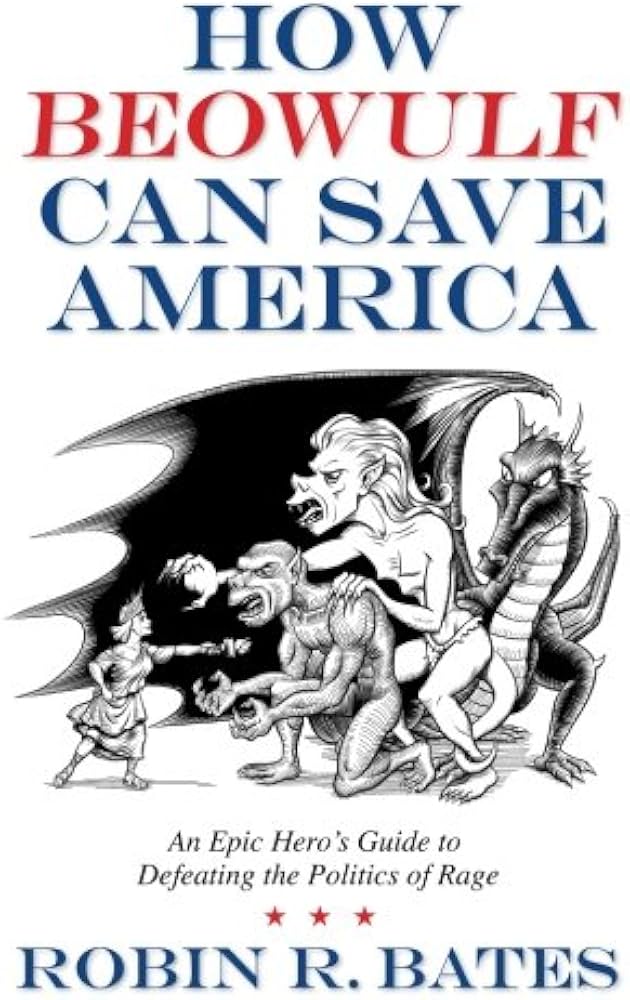
If you have a Kindle, beginning tomorrow (Sunday) you can upload for free How Beowulf Can Save America:An Epic Hero’s Guide to Defeating the Politics of Rage. Kindle allows authors to offer their ebooks free of charge for five days so the offer will last through Thursday (Oct. 25). Please take advantage yourself and let other people [...]
The Library of Congress names 91 books that shaped America.
Clint Eastwood’s argument with an invisible Obama sums up the Romney campaign.
NPR’s Studio 360 sponsored a “literary cocktail” contest. We share here some of the highlights.
Posted in Uncategorized | Tagged Age of Innocence, Bonfire of the Vanities, Cat's Cradle, Dougas Adams, Edith Wharton, F. Scott Fitzgerald, Grapes of Wrath, Great Gatsby, Hitchhiker's Guide to the Galaxy, John Steinbeck, Kurt Vonnegut, My Antonia, Talented Mr. Ripley, Tom Wolfe, Willa Cather |
Liberals appear to have won the media wars–or have they?
“Sight and Sound’s: once-every-ten-years poll is out, and “Citizen Kane” is no longer #1.
Yesterday I posted on the first part of an Elaine Scarry article where she discusses how the novel, by fostering empathy, has helped lessen violence–or so Steven Pinker claims in his book The Better Angels of Our Nature. Today I look at two other ways, according to Scarry, that literature contributes to a more humane world: [...]
The empathy fostered by novel reading may have played a role in the decline of violence.
While an enjoyable romantic comedy set in Victorian times, the film “Hysteria” touches on issues raised by the GOP’s “war on women.”
Can different members of the Holy Trinity be seen to shape different narratives?
The students in my “Theories of the Reader ” course found the theorists we read affirming.
Gertrude Stein’s Vichy sympathies raise the issue of the contrast between an artist’s politics and his or her art.
My son Toby, currently a graduate student in English, just sent me this link to a Slate article about Mitt Romney discouraging students from becoming English majors. Here is the paragraph that caught my eye: “You really don’t want to take out $150,000 loan to go into English because you’re not going to be able to [...]
Recent brain research indicates that fiction helps us “understand the complexities of social life.”
Theorist Wayne Booth compares the impact that books have on us to that of friends. Some friends have a good influence, some not.
Clint Eastwood’s Super Bowl ad has stirred up a political storm but it reminds me of Tennyson’s “Ulysses.”
Wayne Booth describes the classics as friends in the deepest and most productive sense of the word.
Reader Response Theory focuses on the reader’s involvement in literature, opening up avenues untouched by formalist criticism.
GOP members of the House were citing “Braveheart” in their recent battle with the Senate, but “It’s a Wonderful Life” is the movie we should be talking about at this time of year.
Economics teacher Steve Ziliak uses Steinbeck’s “Grapes of Wrath” to teach the human side of microeconomics.
The blog “Hairpin” came up with the a series of book titles which, altered slightly, becomes delicious food puns.
Posted in Uncategorized | Tagged Food, Puns |
John O’Donohue’s “Bennacht (Blessing)” tells us that if we live in the world mindfully, the world will sustain us through the dark times.
Inspired by “foodie novels” such as “Like Water for Chocolate” and “Fried Green Tomatoes,” student Julia Rocha discovered that beans and rice brought back a sense of home and her Brazilian heritage.
I have dropped “Sports Saturday” in order to open up more writing time for myself and from here on out will blog only six days a week. I will continue to write occasional posts about sports and literature, however.